What to Look for When Hiring a Painter in Central Florida
Hiring a painter in Central Florida sounds straightforward until you start getting quotes. There are hundreds of painting contractors in the area, ranging from established local companies to solo operators working out of an unmarked truck. Some do exceptional work. Others cut corners in ways that won’t show up until the paint starts peeling six months later.
Knowing what to look for when hiring a painter in Central Florida is what separates a paint job that holds up for years from one that needs to be redone at your expense. This guide walks through exactly what to evaluate before you sign anything or hand over a deposit.
Make Sure They’re Licensed and Insured in Florida
Florida requires painting contractors to hold a valid state license. This isn’t a formality. A licensed contractor has met the state’s requirements for knowledge, experience, and financial accountability. If something goes wrong, you have a clear path to file a complaint and seek recourse. With an unlicensed contractor, you have none of that.
Before hiring anyone, ask for their license number and verify it on the Florida Department of Business and Professional Regulation website. It takes two minutes and can save you a significant headache.
Insurance is equally non-negotiable. There are two types to ask about:
- General liability insurance covers damage to your property if something goes wrong during the job
- Workers’ compensation insurance covers injuries to workers on your property
If a painter is working without workers’ comp and someone gets hurt on your property, you could be held responsible. Don’t assume coverage exists. Ask for proof of both before work begins.
Ask These Questions Before You Commit
The right questions reveal a lot about how a contractor operates. A professional with nothing to hide will answer directly. One who hedges, deflects, or gets defensive is telling you something important.
How long have you been painting in Central Florida?
Local experience matters more than total years in the industry. A contractor who has spent years working in this area, from Orlando-area neighborhoods out to the coast, understands how Florida’s climate affects paint performance, which surface types are common here, and what preparation steps can’t be skipped in this humidity. Longevity in the local market is also a signal of stability. Operations that cut corners don’t last long before the reviews catch up with them.
Can you provide references from recent local projects?
Ask for references from jobs completed within the last 12 months and in the local area. Out-of-state or years-old references don’t tell you much about the contractor’s current quality or reliability.
When you follow up with those references, ask:
- Was the job completed on time and on budget?
- Was the work area left clean at the end of each day?
- Did any issues come up, and how did the contractor handle them?
The answers to that last question are often the most telling.
What does your preparation process look like?
Preparation is where most bad paint jobs begin. A thorough prep process includes surface cleaning, sanding, priming, and caulking gaps and cracks before any paint is applied. A contractor who glosses over this step or can’t describe it in detail is one to be cautious about.
For exterior work in Central Florida, ask specifically about pressure washing and mold treatment. Given the humidity and heat, mold and mildew accumulate on exterior surfaces faster here than in most of the country. Painting over them without proper treatment guarantees the problem comes back quickly.
What paint products do you use and why?
Florida’s climate is harder on paint than most places. UV exposure, heat, and humidity degrade lower-quality products faster than you’d expect. A contractor who knows their trade should be able to explain not just which products they use but why those products perform well in Florida conditions. If you want to understand what quality exterior and interior painting actually involves, our interior painting services page walks through what a professional process looks like.
Do you provide a written estimate and contract?
Any contractor unwilling to put the scope of work and pricing in writing is one to avoid. A written contract protects both parties and establishes clear expectations before a single drop of paint is applied. If a contractor resists putting things in writing, move on.
What a Legitimate Estimate Should Include
A vague estimate is how disputes start. A legitimate estimate is specific enough that both parties know exactly what is being agreed to. Before accepting any estimate, confirm it includes:
- Scope of work: which surfaces will be painted, how many coats will be applied, and what areas are excluded
- Materials: specific paint products, finish types, and approximate quantities
- Labor costs broken out separately from materials
- Project timeline with start and estimated completion dates
- Payment schedule
- Warranty terms for both labor and materials
Pay attention to the payment schedule. A reasonable deposit before work begins is standard, typically around 30 percent of the total. A contractor asking for full payment or the majority of it upfront before any work is done is a red flag worth taking seriously.
Also be cautious about the lowest bid. A significantly lower estimate almost always means something is being skipped, whether that’s the number of coats, the quality of the primer, the thoroughness of the prep, or the paint itself. You get what you pay for, and in Florida’s climate, cutting corners on materials shows up faster than anywhere else.
Red Flags to Watch for When Vetting Painters
Most painting contractors are legitimate. But knowing what to watch for helps you avoid the ones who aren’t. Walk away from any contractor who shows more than one of the following:
- No physical address or verifiable business presence. A quick search should surface a real business with a website, local address, and reviews. A contractor with no traceable presence has no accountability if the work falls short and you have no recourse.
- Pressure to decide immediately or accept a price that expires today. This tactic exists to stop you from doing any research. Legitimate contractors don’t manufacture urgency.
- Resistance to putting the scope of work in writing. A contractor who won’t commit to specifics on paper is leaving themselves room to change terms once the job is underway.
- A request for full payment upfront. This removes all leverage you have if the work is incomplete or below standard. Once the money is gone, so is your negotiating position.
- A verbal-only scope of work. “We’ll paint the house” with no further detail is an open invitation for disputes about what was and wasn’t included when the job is done.
- No online presence, no reviews, and no references. An established contractor working in 2025 has a digital footprint. The complete absence of one suggests either a very new operation or one that has actively avoided being reviewed.
Why Local Experience in Florida Matters
Not all painting experience transfers equally to Central Florida. Contractors who trained and worked in other parts of the country often underestimate what Florida’s climate demands.
Humidity affects drying times and how paint adheres to surfaces. UV exposure here is intense enough to fade and degrade lower-quality coatings faster than expected. Mold and mildew are year-round concerns, not seasonal ones. Afternoon rain is a near-daily occurrence in summer, which affects when and how exterior work can be scheduled.
A contractor with real Central Florida experience accounts for all of this. They know which products hold up in this climate, which prep steps can’t be skipped, and how to plan exterior projects around the weather patterns that are predictable if you’ve worked here long enough.
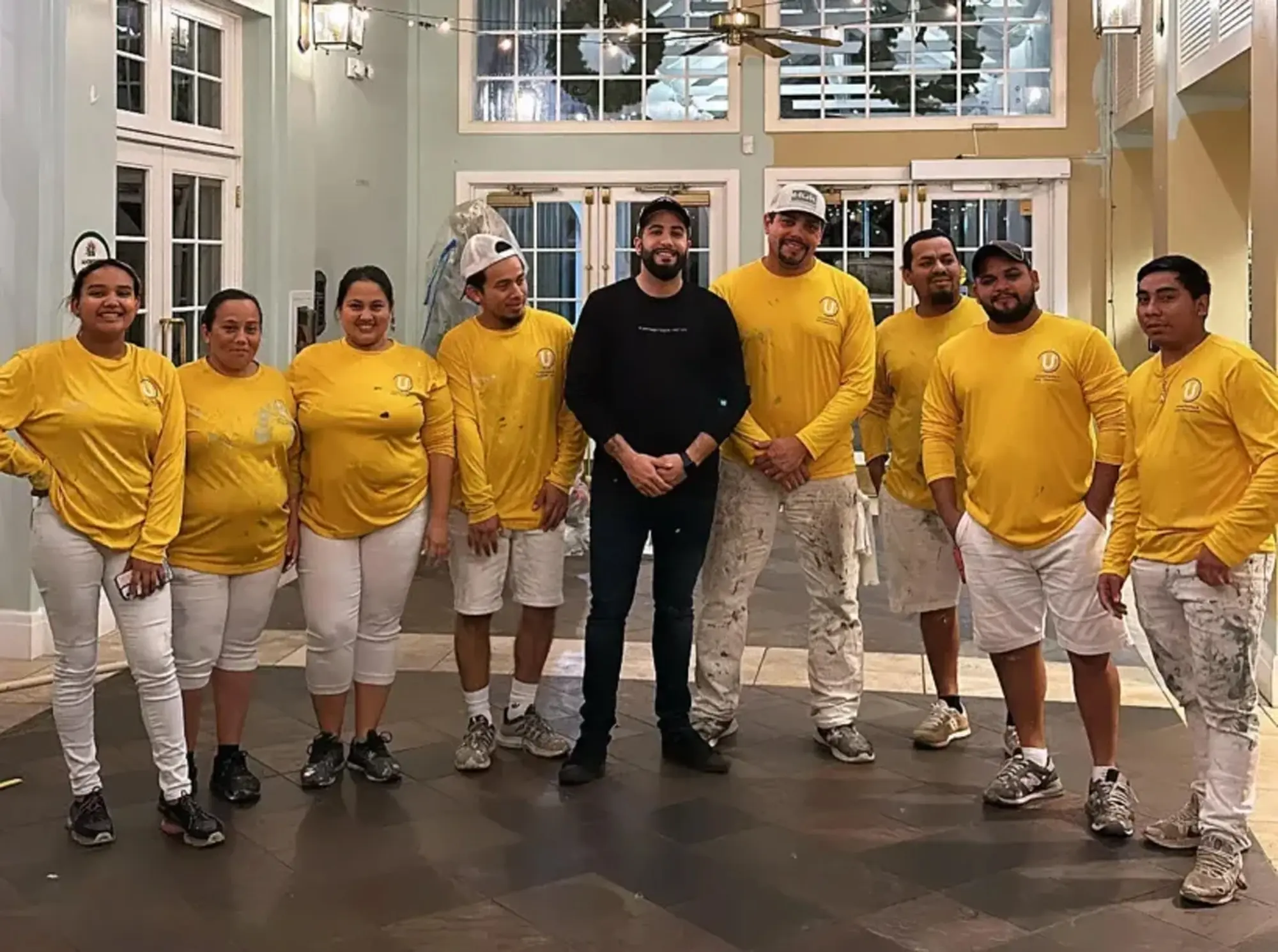
There’s also a surface-specific consideration for Central Florida homeowners. Stucco exteriors are extremely common in this area and require different preparation techniques and product knowledge than wood or vinyl siding. A contractor unfamiliar with stucco work will often show it in the finished result. United Painting serves homeowners across Central Florida and understands the specific demands each market places on exterior surfaces.
Local experience also comes with local accountability. A contractor who has built their reputation in the community they work in every day has more at stake than one passing through.
How to Make Your Final Decision With Confidence
By the time you’ve done your homework, the decision usually becomes clear. The contractor who checks every box is a better choice than the one who seemed personable but couldn’t answer basic questions about their process.
Before committing, get at least two or three estimates. Not to find the cheapest option, but to understand what the market looks like and identify any outliers in either direction. A bid that’s significantly lower than the others deserves scrutiny. So does one with no detail.
Use the criteria from this guide as your framework:
- Licensed and insured in Florida, with documentation to verify
- Local references from recent projects who speak positively about the process, not just the result
- A clear and detailed preparation process
- Informed product choices suited to Florida’s climate
- A written estimate that covers scope, materials, timeline, and payment terms
A contractor who meets all of these standards is one worth trusting with your home. If you’re ready to get an estimate from a licensed, local painting team that knows Central Florida, contact United Painting to schedule your free consultation.